


What Cities Border Los Angeles?
When people say they’re “in LA,” that can mean almost anything.
It might mean Downtown Los Angeles. It might mean the beach. It might mean Hollywood. It might even mean a completely separate city that just happens to touch Los Angeles on the map.
The truth is simple but surprising: the City of Los Angeles is surrounded by independent municipalities. These cities border Los Angeles physically, but they operate under separate governments with their own laws, taxes, and local control.
So what cities border Los Angeles? When were they incorporated? And why didn’t Los Angeles absorb them during its expansion?
To answer that, we need to go back to the late 19th and early 20th centuries.
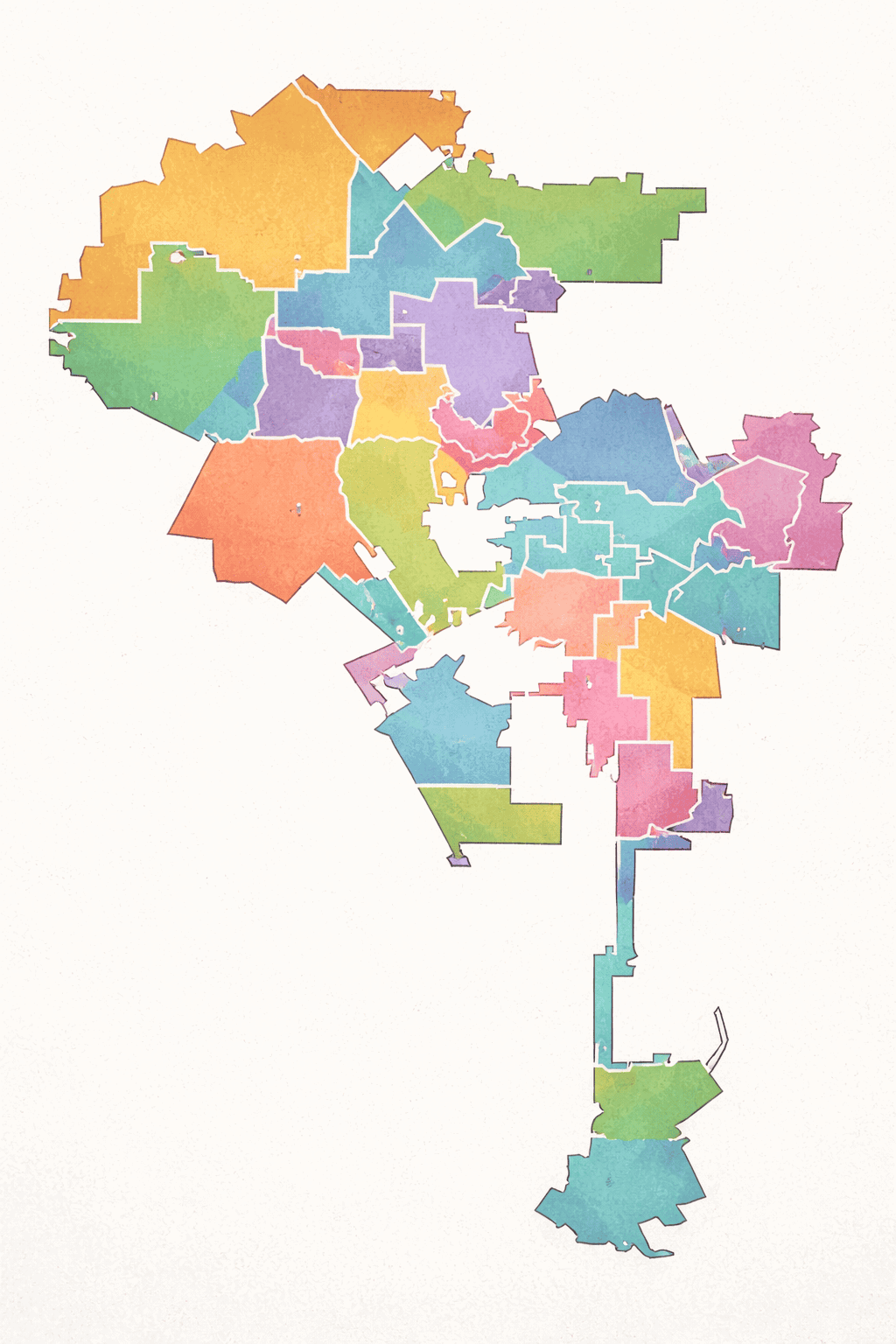
Los Angeles Incorporated in 1850, Then Began Expanding
What makes Los Angeles unique today is not just its size, but its shape. The city stretches from the San Fernando Valley to the Pacific, then drops south in a narrow corridor all the way to the Port of Los Angeles. That long, thin extension exists because Los Angeles aggressively annexed land in the early 20th century to secure harbor access, water routes, and future growth.
Instead of expanding evenly, Los Angeles absorbed specific areas strategically. Some communities joined for infrastructure and water access. Others incorporated quickly to remain independent.
Major business activity eventually concentrated in areas like Downtown Los Angeles, which grew into the region’s historic financial and commercial center.
The result is one of the most oddly shaped major cities in the United States, a patchwork of annexations that still defines the region’s borders today.
Santa Monica, Incorporated 1886
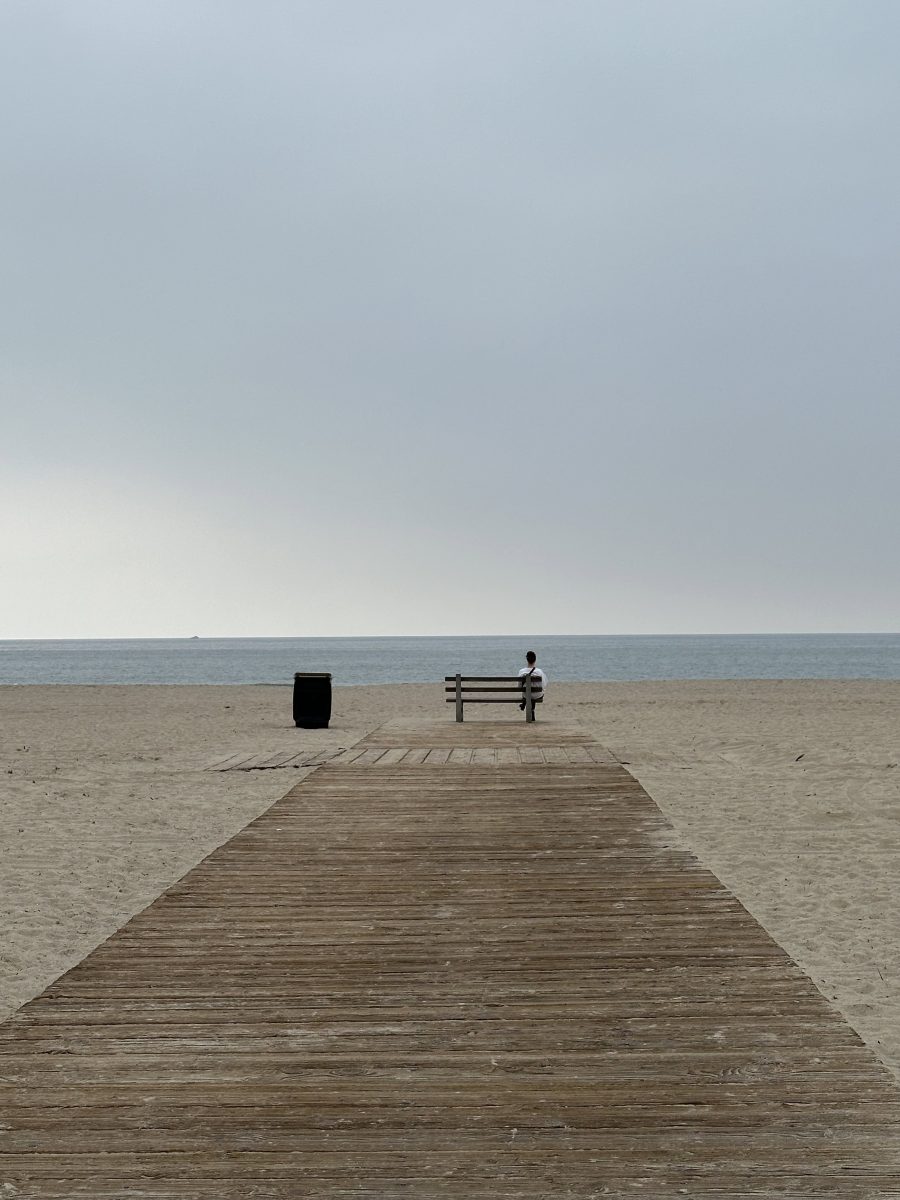
Santa Monica incorporated in 1886, well before Los Angeles expanded fully to the coast.
By the time Los Angeles pushed westward, Santa Monica was already functioning as an independent coastal resort town with its own economy centered on tourism and beachfront development. Joining Los Angeles would have meant giving up local control over coastal zoning and land use.
Remaining independent allowed Santa Monica to shape its shoreline, business districts, and development standards on its own terms.
Today:
Santa Monica remains one of the region’s strongest coastal business centers, with tech companies, media firms, tourism, hospitality, retail, and restaurants. Although it feels tightly connected to Los Angeles, it operates entirely under its own municipal government.
Inglewood, Incorporated 1908
Inglewood established itself as a city in 1908 during a period when Los Angeles was expanding southward.
Incorporation gave Inglewood control over infrastructure, taxation, and growth. Without that decision, annexation into Los Angeles would have been much more likely.
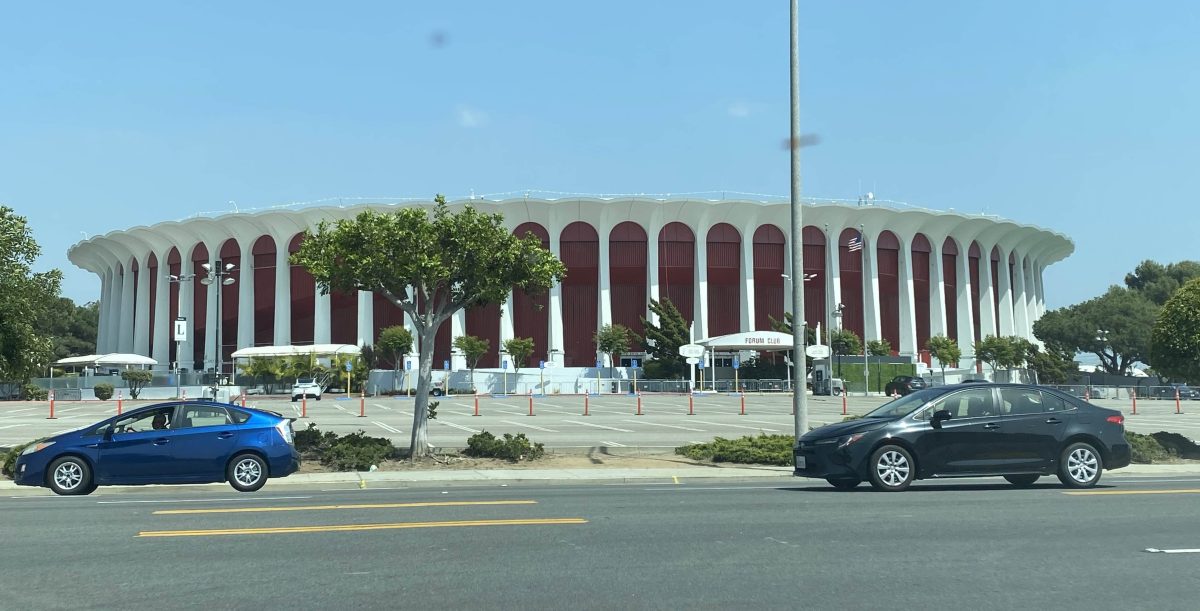
The early 1900s were a turning point. Many South Bay communities incorporated specifically to preserve autonomy.
Today:
Inglewood has changed dramatically in recent years, with major entertainment venues, event-driven development, and increasing residential density. It borders Los Angeles directly but remains politically independent.
Burbank, Incorporated 1911
Burbank formalized its independence in 1911.
One major motivation was control over utilities. Local leadership wanted authority over power generation and infrastructure instead of depending on Los Angeles systems.
That decision still matters today. Burbank operates its own municipal utilities, a direct legacy of its incorporation strategy.
Today:
Burbank is deeply tied to media and entertainment, with major studio operations and corporate offices. Although it sits directly next to Los Angeles in the San Fernando Valley, it is governed entirely separately.
Beverly Hills, Incorporated 1914
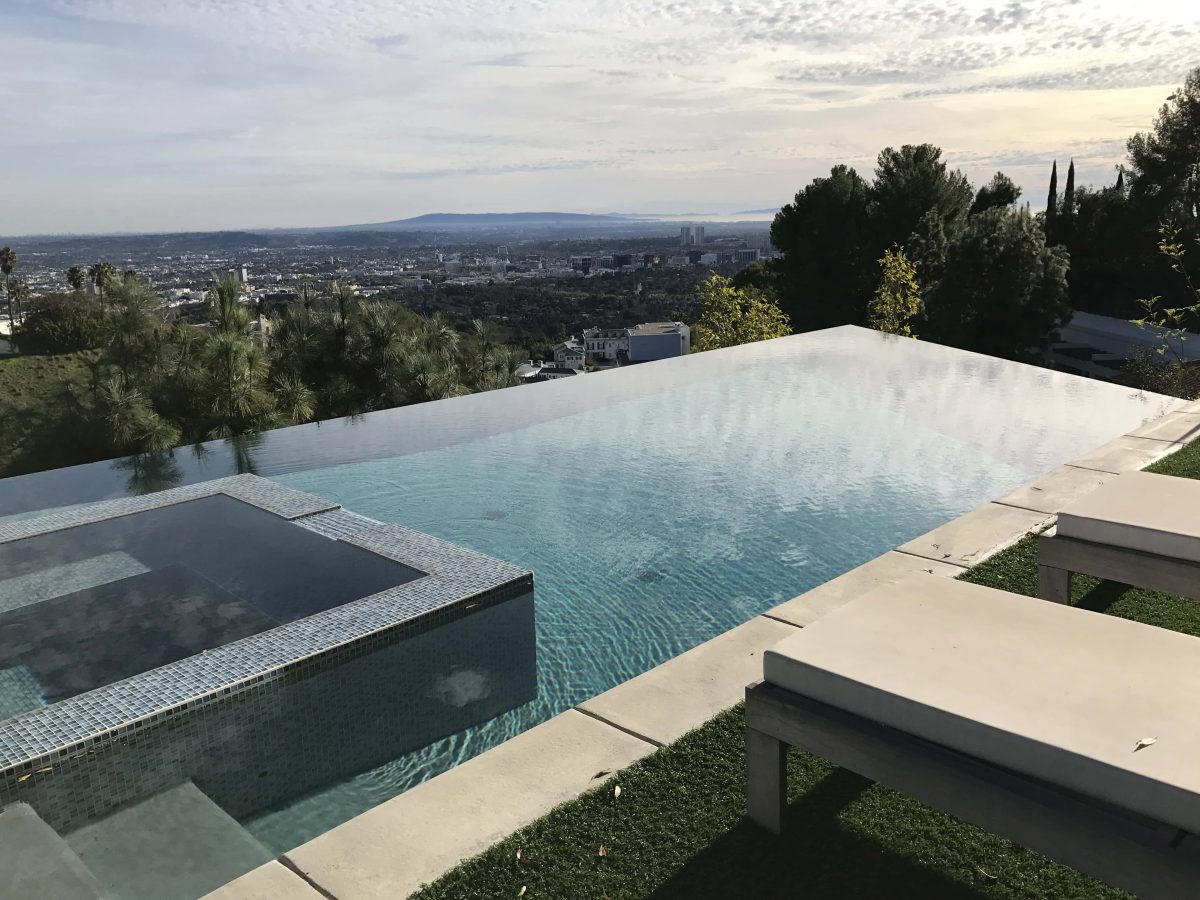
Beverly Hills incorporated in 1914 after residents voted to avoid annexation by Los Angeles.
Zoning authority and taxation were key issues. Residents wanted to maintain local control over development and land use.
That decision locked in Beverly Hills as an independent municipality, even though it is now almost completely surrounded by Los Angeles.
Today:
Beverly Hills is internationally known for luxury retail, hospitality, and high-value residential property. Its independent governance allows it to maintain strict development standards and a very distinct civic identity.
Culver City, Incorporated 1917
Culver City became an incorporated city in 1917, founded by Harry Culver.
It quickly grew as a center for film production and industrial development. Incorporation allowed local leaders to tailor infrastructure and business policy to support studio operations and economic growth.
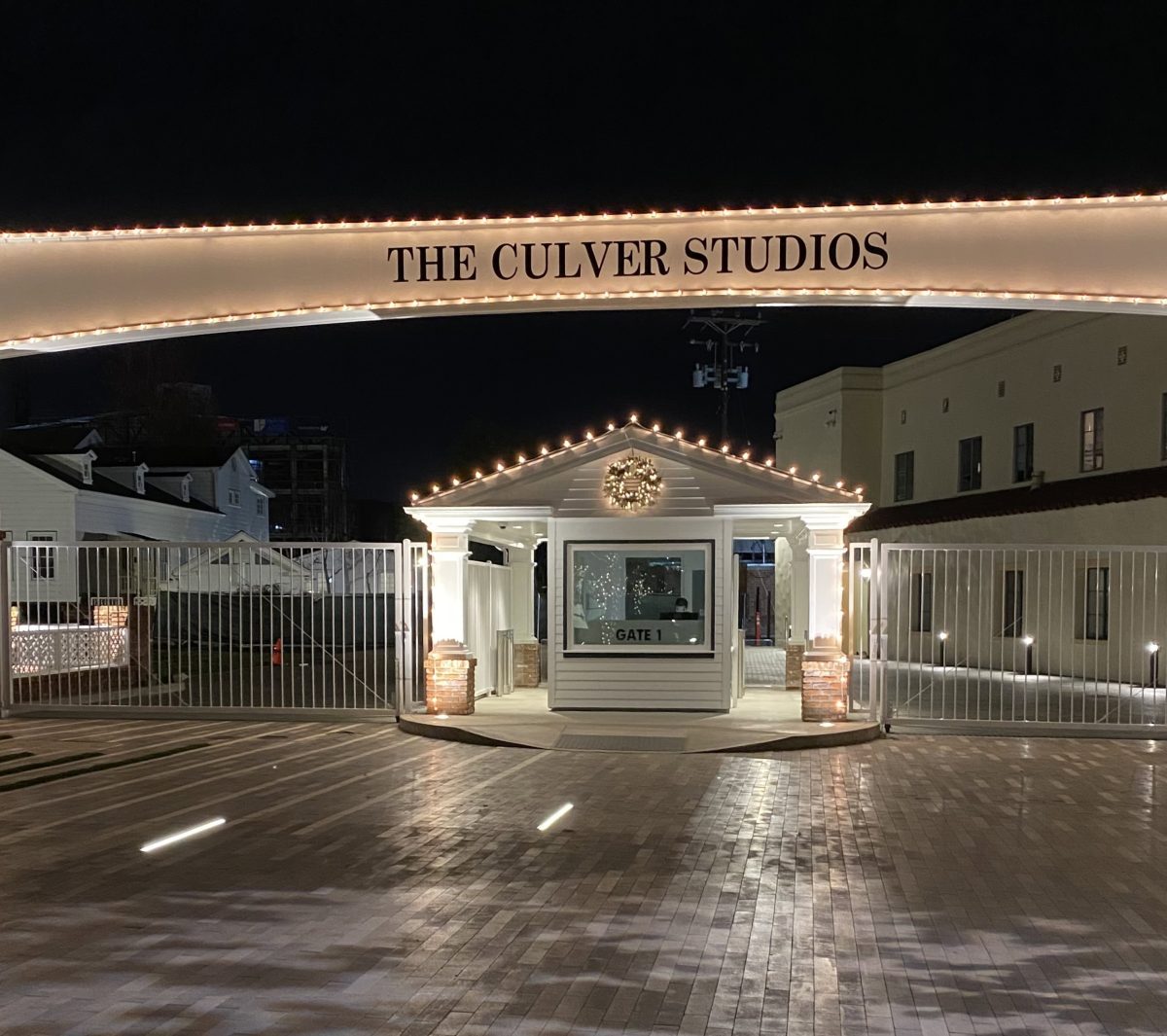
Unlike purely residential communities that incorporated defensively, Culver City incorporated strategically. It wanted to shape its own commercial future.
Today:
Culver City blends creative offices, tech companies, restaurants, and residential neighborhoods. Though it flows seamlessly into West Los Angeles, it remains its own municipality with independent governance.
El Segundo, Incorporated 1917
El Segundo also incorporated in 1917 during the industrial expansion era.
Its name comes from the second Standard Oil refinery built on the West Coast. Oil refining defined its early development. Incorporation ensured local control over industrial zoning decisions rather than oversight from Los Angeles.
Its coastal location later positioned it near the development of LAX and the aerospace corridor.
Today:
El Segundo is home to aerospace firms, defense contractors, corporate offices, and technology companies. Its independence has allowed it to balance industrial roots with modern corporate growth.
Hawthorne, Incorporated 1922
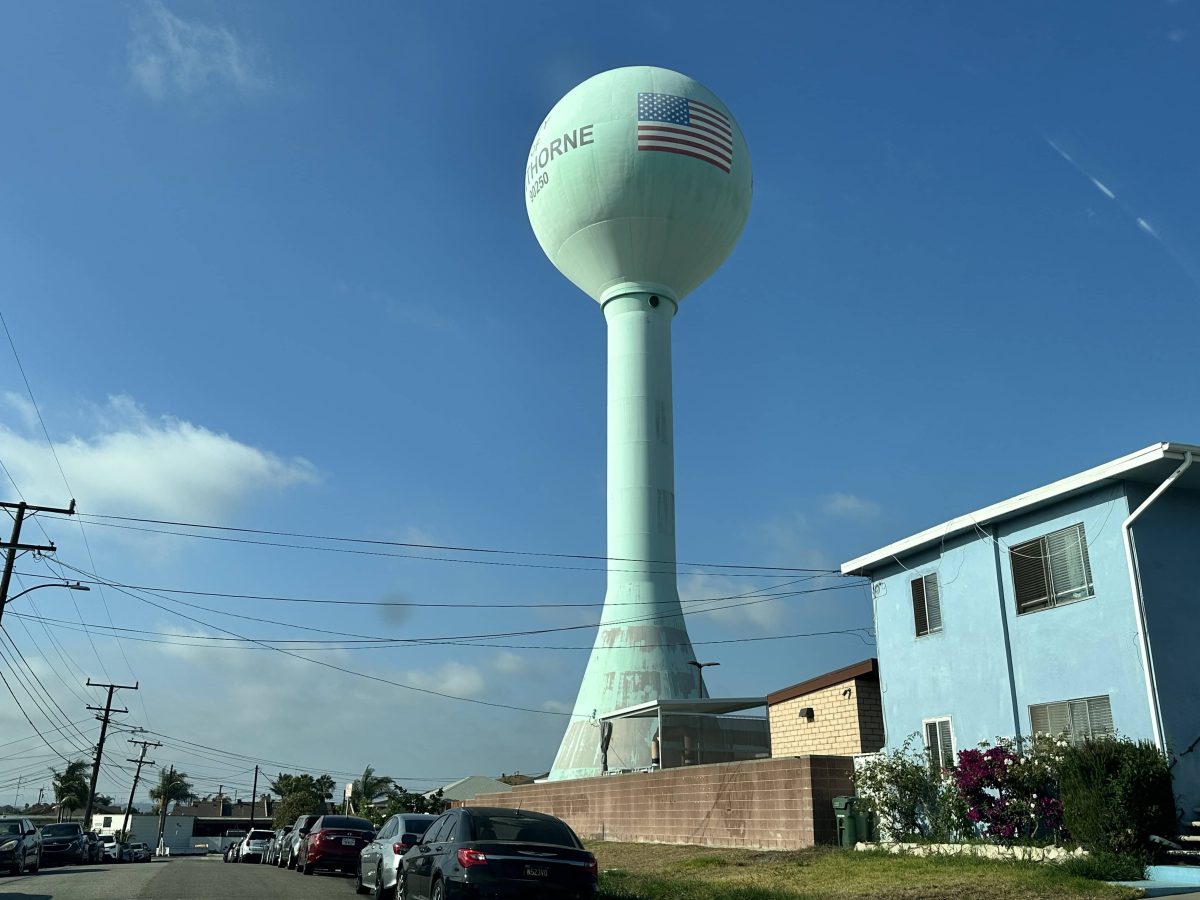
Hawthorne formalized its independence in 1922.
By this point, many communities recognized that incorporation was the clearest way to avoid annexation into Los Angeles. Hawthorne secured control over its land use and development decisions during a period of rapid regional change.
Today:
Hawthorne combines residential neighborhoods with aerospace and industrial businesses. It borders Los Angeles directly but maintains its own city government.
West Hollywood, Incorporated 1984
West Hollywood’s story is different.
It did not incorporate until 1984. Before that, it was unincorporated Los Angeles County land. Residents voted to form their own city government primarily to gain control over housing policy and tenant protections.
It never broke away from Los Angeles. It simply never joined it.
Today:
West Hollywood is dense, walkable, and commercially active, with nightlife, hospitality, and cultural institutions. Despite being surrounded by Los Angeles and Beverly Hills, it remains politically independent.
Other Cities That Border Los Angeles
Los Angeles also shares borders with cities such as San Fernando, South Pasadena, Glendale, Gardena, and Carson.
San Fernando incorporated in 1911. South Pasadena incorporated in 1888. Glendale incorporated in 1906. Gardena incorporated in 1930. Carson incorporated in 1968.
Each of these cities made similar decisions at different moments in history, incorporating to preserve autonomy rather than being absorbed.
What About San Pedro?
San Pedro is often mistakenly listed as a city bordering Los Angeles.
It is not.
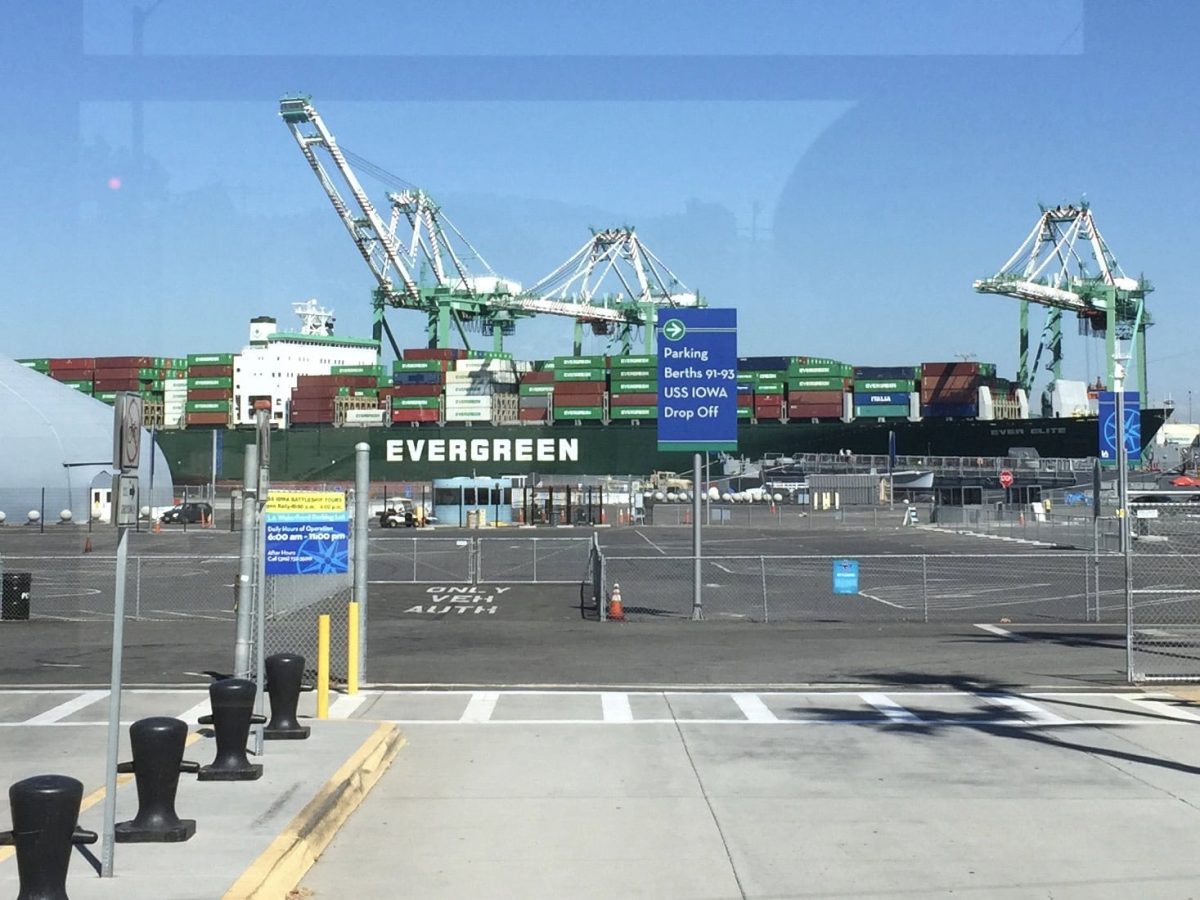
San Pedro voted to consolidate with Los Angeles in 1909, largely to gain infrastructure improvements and harbor development. Today it is officially a neighborhood within the City of Los Angeles.
This contrast matters: some communities incorporated to remain separate. Others joined Los Angeles strategically.
Why Los Angeles Never Unified the Entire Region
Between 1890 and 1930, Los Angeles expanded dramatically.
Communities that wanted water access often agreed to annexation. Communities that valued autonomy incorporated instead.
Once incorporated, a city becomes legally distinct. Reversing that decision would require voter approval and complex political action, something that has rarely gained traction.
The patchwork map of independent cities that border Los Angeles is the direct result of those early choices.
Los Angeles Is One Region, But Not One Government
The urban sprawl looks unified.
The governance is not.
Santa Monica, Beverly Hills, Culver City, El Segundo, West Hollywood, Burbank, Inglewood, and others all border Los Angeles physically, yet they operate independently.
Those borders were shaped more than a century ago during a period of expansion, water politics, industrial growth, and community self-determination.
Understanding that history gives you a clearer view of how Los Angeles actually functions today.
It may feel like one massive city.
Legally, it never was.